Agentic delivery platform
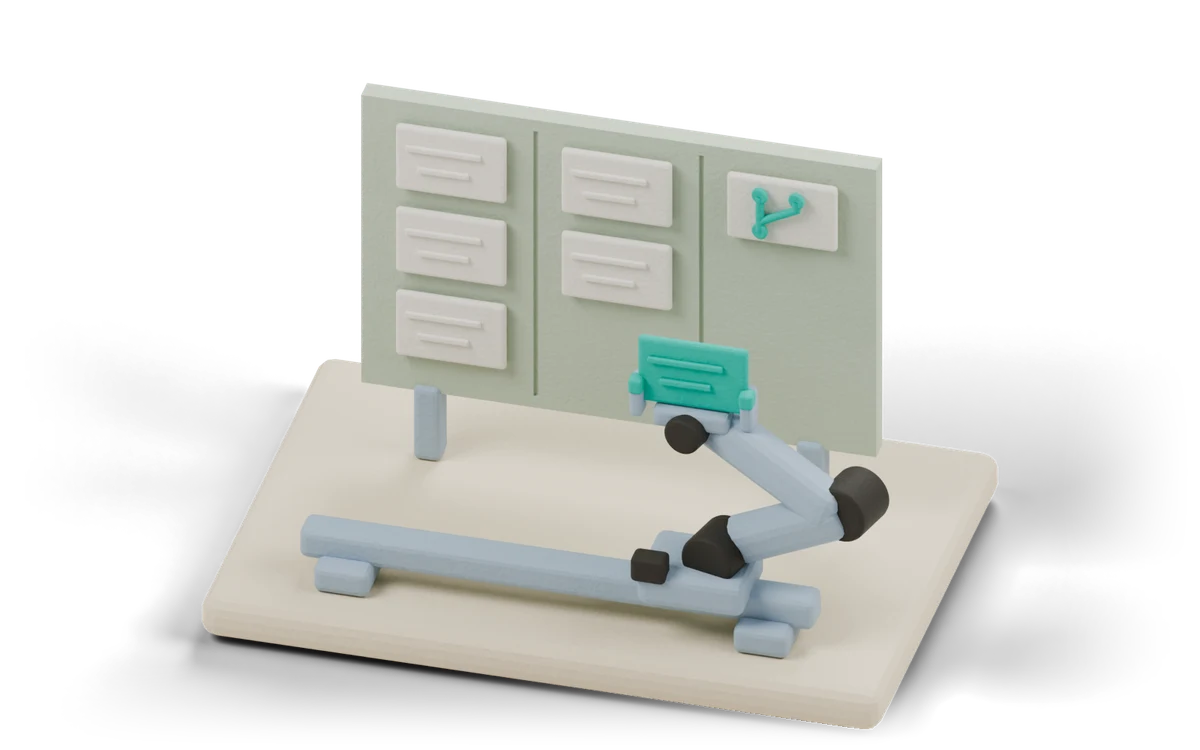
Moving a Jira ticket to Agent Ready hands it to agents on Amazon Bedrock AgentCore, which take it through requirements, architecture, implementation and code review.
- Role
- Lead engineer
- Where
- Global travel company
- Stack
- Amazon Bedrock AgentCore, Jira, GitLab, Python
Overview
Moving a Jira ticket to Agent Ready hands it to agents on Amazon Bedrock AgentCore, which take it through requirements, architecture, implementation and code review.
The agents run on Amazon Bedrock AgentCore, with an orchestration layer in Python sitting between the platform and the tools. That layer is the part I would keep. Claude Code, Codex and Kiro are interchangeable behind it, so which agent does a stage is a configuration choice rather than a rewrite, and every call is logged and traced with its tokens and its cost attributed to the agent that made it.
The handover is the ticket. Jira holds the state, and each stage writes its output back onto the ticket for the next one to read: requirements, then architecture, then implementation, then code review. Moving a ticket to Agent Ready starts the first stage. After that, GitLab webhooks trigger each round of development and review, so a push or a comment on the merge request is what wakes the next pass rather than a person chasing it. Discovery runs locally, with Kiro agents that apply the client's own product guidelines to the requirements before the work reaches the board.
What changed for the team is where their work starts. A ticket that used to be picked up empty now arrives with requirements and a design attached, and comes back as a merge request to read rather than a branch to write. Reviewing is still a person's job, and it is more of the job than it used to be.